Examining Payment Gateway Integrations That Enable Seamless Currency Handling and Transaction Flows for Localized German and Russian Slot Titles Expanding into Asian and African Player Communities
Kirjoittanut Leon Ludwig · 21.10.2026
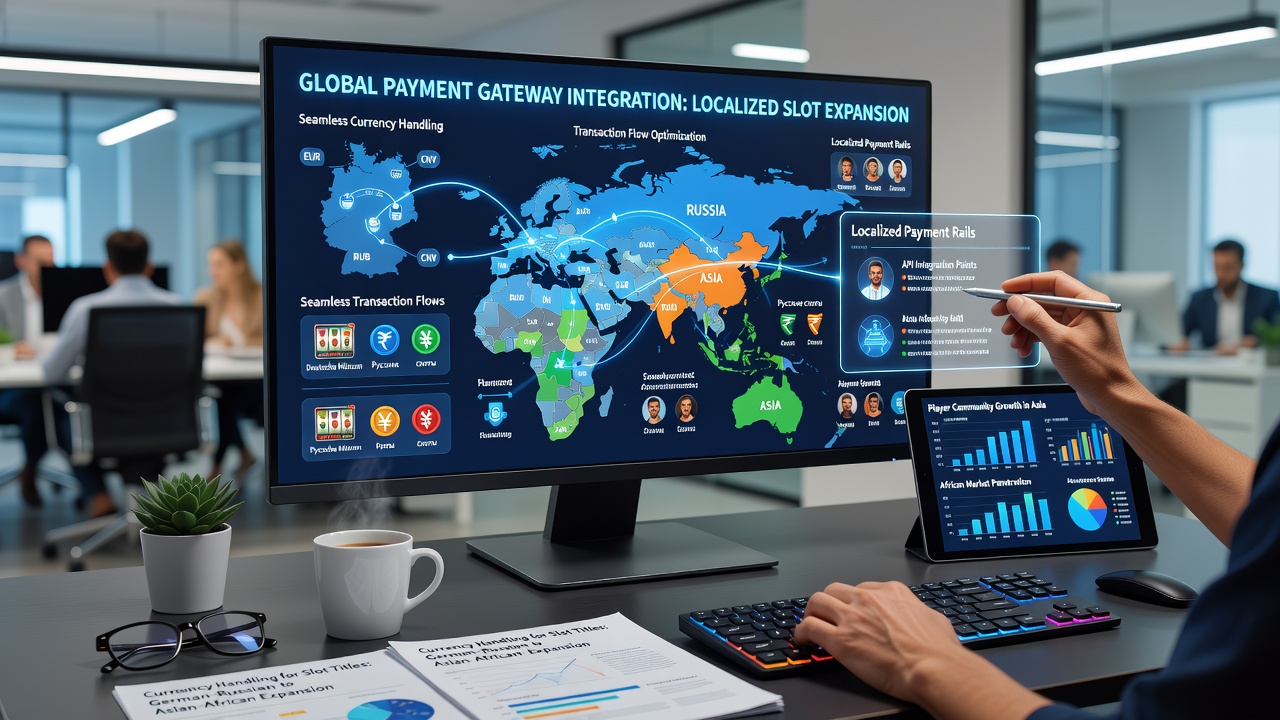
Examining Payment Gateway Integrations That Enable Seamless Currency Handling and Transaction Flows for Localized German and Russian Slot Titles Expanding into Asian and African Player Communities
Localized German and Russian slot titles have moved into Asian and African player communities through targeted platform expansions, and payment gateway integrations sit at the center of these operations because they manage currency conversions, transaction routing, and settlement processes across multiple jurisdictions. Developers adapt game interfaces for language and cultural elements while payment systems handle the underlying financial flows that keep deposits and withdrawals functional in real time.
Market Expansion Patterns in 2026
German and Russian studios have released localized versions of popular slot mechanics for markets in China, India, Nigeria, and South Africa, and data from October 2026 shows rising transaction volumes through gateways that support both EUR and RUB alongside regional currencies such as CNY, INR, NGN, and ZAR. These integrations rely on API connections that route payments through local processors, which reduces conversion fees and shortens settlement times compared with single-currency international systems.
Core Payment Gateway Technologies
Payment gateways used in these expansions include modular platforms that support multi-currency ledgers and dynamic exchange rate updates, while providers integrate with banking networks in each target region to enable direct bank transfers, digital wallets, and mobile money services. German titles often connect through established European processors that extend into Asia via partnerships, whereas Russian-developed games frequently utilize gateways already familiar with Eurasian transaction corridors before extending further into African markets.
Transaction flows begin when a player initiates a deposit in a local currency, after which the gateway converts the amount using real-time rates and credits the game account in the operator's base currency, and the reverse process occurs during withdrawals to maintain balance accuracy across borders.
Currency Handling Mechanisms
Seamless currency handling depends on gateways that maintain liquidity pools in multiple denominations and apply automated compliance checks for each market's financial regulations, and observers note that systems handling German and Russian slots in Asia and Africa often incorporate fallback routing so that failed transactions in one channel can shift to an alternative processor without player intervention. Research from industry groups indicates that these setups cut average processing times by connecting directly to regional payment rails rather than relying on intermediary banks in third countries.

Regional Integration Examples
In Asian markets, gateways link German and Russian slot platforms to popular digital wallets and banking apps that dominate local economies, while in African regions the same systems connect to mobile money services that serve large unbanked populations. One documented case involves a Russian-developed slot series that entered the Indian market through a gateway supporting instant INR deposits and same-day withdrawals, and similar patterns appear in Nigerian deployments where NGN transactions route through established mobile channels.
According to reports from the European Gaming and Betting Association, operators expanding these localized titles report higher retention rates when payment options match the most common methods in each new territory rather than forcing players to adapt to foreign systems.
Regulatory and Technical Considerations
Payment integrations must satisfy data protection and financial reporting rules in both source and target countries, and technical teams implement encryption standards plus audit trails that satisfy requirements from multiple regulators simultaneously. Figures from October 2026 reveal increased use of tokenization within these gateways to protect player credentials during cross-border transfers between European slot servers and Asian or African endpoints.
Developers coordinate with gateway providers to embed compliance logic directly into the transaction flow, which means each deposit or withdrawal triggers automatic verification against current regulatory lists before funds move.
Conclusion
Payment gateway integrations form the operational backbone that allows German and Russian slot titles to function across Asian and African player communities by managing currency conversions and transaction routing in a coordinated manner. The systems continue to evolve as new regional processors come online and as operators refine their multi-market strategies based on live performance data from October 2026 onward.