Regulatory Influences on Language Localization Strategies for Slot Games in Finnish, Russian, and Broader Asian Markets
Kirjoittanut Bianca Reed · 23.9.2026
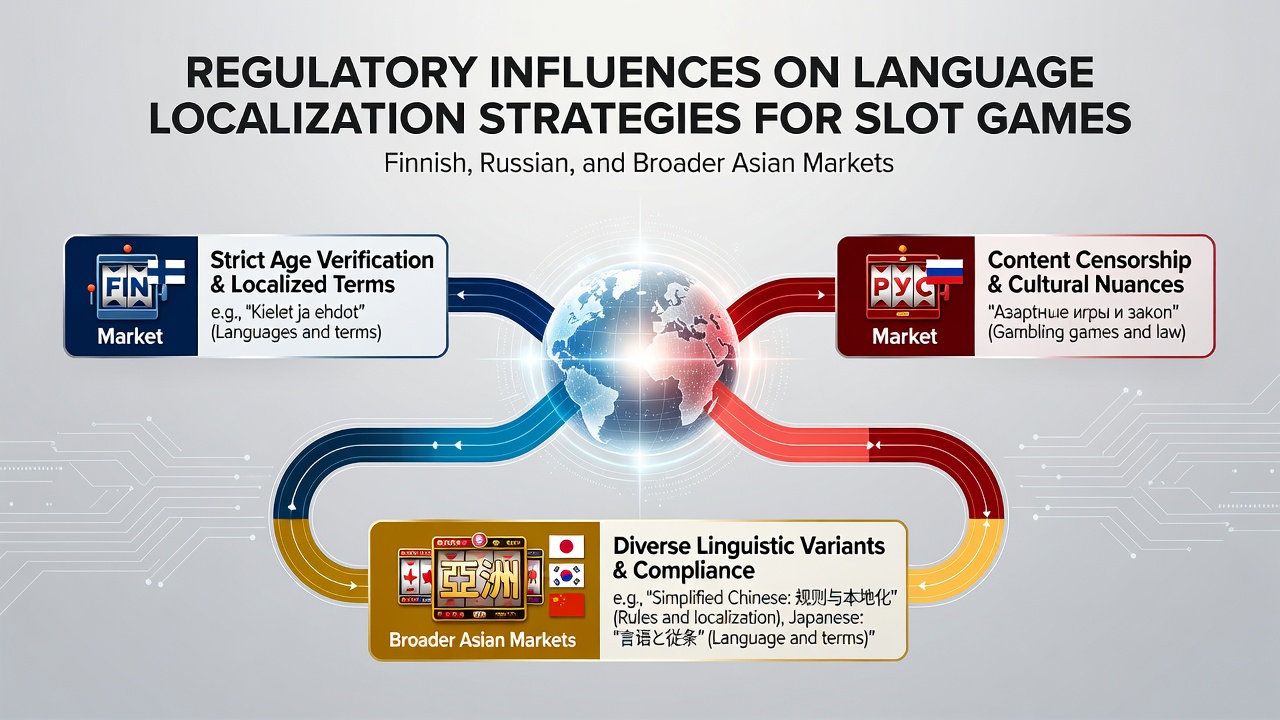
Regulatory Influences on Language Localization Strategies for Slot Games in Finnish, Russian, and Broader Asian Markets
Regulatory frameworks shape how slot game providers adapt language and content for players in Finland, Russia, and various Asian jurisdictions, with each region imposing distinct requirements on translation accuracy, terminology, and cultural alignment. These rules often stem from consumer protection mandates and responsible gambling standards that demand clear communication in local languages while restricting certain phrases or promotional language. Data from industry reports shows that operators must navigate these constraints to maintain compliance and market access, particularly as new updates take effect around September 2026 in several areas.
Finnish Regulatory Requirements and Localization Demands
Finnish authorities enforce strict language standards under the Lotteries Act and related consumer protection laws, requiring all gambling interfaces and promotional materials to appear in clear, accessible Finnish without misleading terms. The Finnish Ministry of Social Affairs and Health oversees these provisions through detailed guidelines that specify how operators must translate bonus conditions, risk disclosures, and game rules so players understand payout structures and wagering requirements without ambiguity. Observers note that localization teams frequently consult official terminology databases to align slot text with legal definitions, and this process becomes especially relevant when providers introduce new game features that carry specific regulatory labels.
Russian Market Rules for Cyrillic Adaptation and Content Oversight
Russian regulations administered by the Federal Service for Surveillance on Consumer Rights Protection and Human Wellbeing focus on Cyrillic script accuracy and prohibit certain gambling-related terminology in advertising while mandating transparent display of odds and limits. Providers must ensure that all on-screen text, including paytable explanations and responsible gaming messages, complies with federal standards that emphasize readability across desktop and mobile platforms. Research indicates that localization strategies in this market often involve multiple review stages to confirm that translated phrases do not imply guaranteed wins or downplay financial risks, and these checks intensify when operators expand Russian-language versions to new titles ahead of seasonal updates scheduled for late 2026.
Broader Asian Market Variations in Language and Cultural Compliance
Asian jurisdictions present a wider range of language localization rules, with Singapore's Gambling Regulatory Authority requiring English and Mandarin versions that meet precise standards for clarity in game instructions and promotional copy. Malaysia and Japan impose additional layers through language policies that address both official languages and cultural sensitivities, compelling providers to adjust icon labels, button text, and narrative elements to avoid prohibited references. Figures from regional trade analyses reveal that operators investing in parallel localization workflows for these markets achieve faster regulatory approvals, while those relying on generic translations encounter delays during compliance audits. What's interesting is how these requirements intersect with technical standards for text rendering, forcing development teams to test font compatibility and line breaks across different scripts simultaneously.
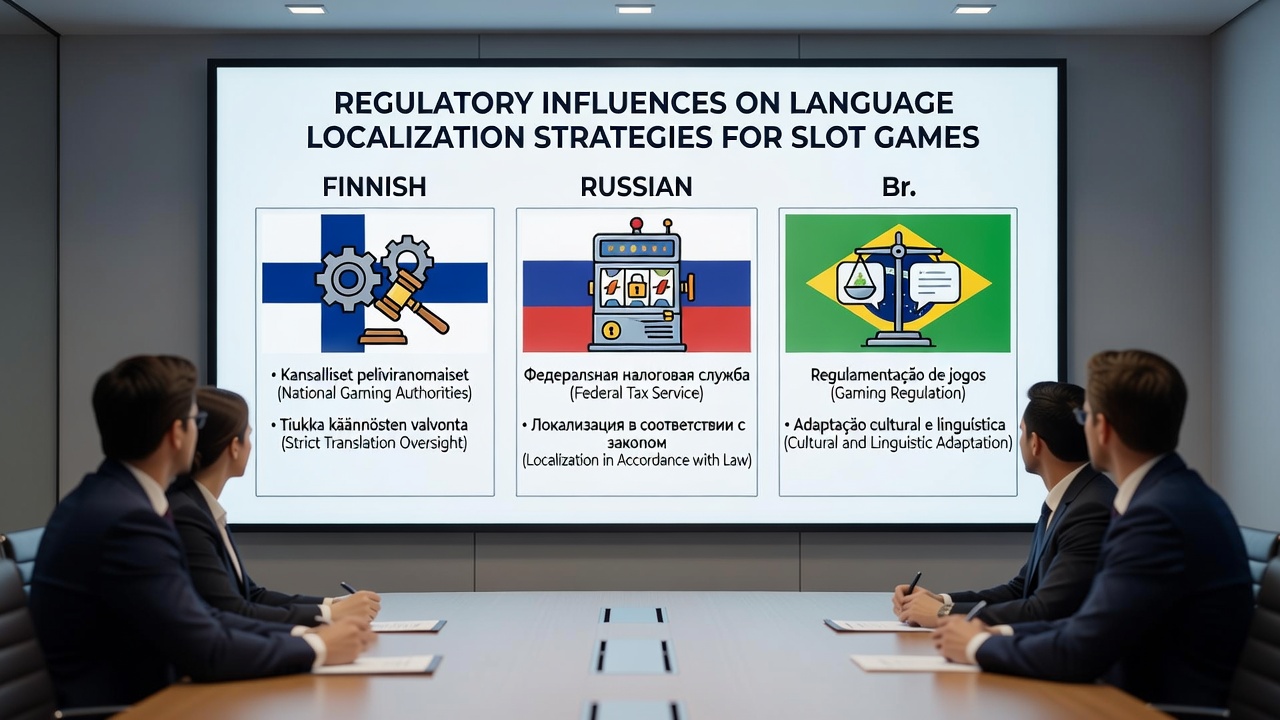
One study from the International Center for Gaming Regulation highlighted cases where providers revised entire slot campaigns after regulators flagged imprecise translations of bonus mechanics in multiple Asian territories. These adjustments typically involve collaboration between legal experts and native linguists who verify that every string meets local expectations for formality and precision. In September 2026 several jurisdictions plan to introduce updated disclosure formats, prompting companies to revisit existing Finnish, Russian, and Asian language libraries to incorporate new mandatory statements about session limits and self-exclusion options.
Comparative Effects Across Regions
Although each market operates under separate statutes, common threads emerge around mandatory responsible gaming language and restrictions on superlatives in promotional text. European operators serving Finnish players coordinate with those targeting Russian audiences to share best practices on terminology management, while Asian teams draw from similar documentation protocols to maintain consistency. Data compiled by the European Gaming and Betting Association shows that unified content management systems reduce revision cycles by up to 30 percent when handling multi-region releases, allowing providers to meet staggered deadlines without compromising accuracy. Those who've examined these workflows often discover that early integration of regulatory checklists into the localization pipeline prevents costly post-launch modifications.
Conclusion
Regulatory influences continue to drive specialized approaches to language localization for slot games across Finnish, Russian, and broader Asian markets, with compliance teams focusing on precise terminology, script handling, and cultural alignment to satisfy evolving standards. As updates scheduled for September 2026 approach, providers that maintain detailed mapping of regional requirements position themselves to deliver compliant experiences that support both player understanding and operational continuity.